
Is cheap AI safe for client data? I think that's the wrong question. Client data shouldn't go into any third-party AI in the first place, cheap or expensive, Chinese or American. Once you start from the rules, most of the "which AI is safer" argument goes away.
This started with a video I watched a few days ago. The creator said running AI locally saves a lot of money. You pay for the machine once, and after that you only pay for power. If you need huge numbers of tokens for repetitive, simple work, local AI is cheap.
The video isn't really the point. It just gave me another angle to think about, and the replies I got afterwards gave me a lot more.
Is local AI really cheaper in Australia?

Not always. Electricity here is expensive. I run local AI myself, and every kilowatt-hour costs me over twenty cents now. The full price is over forty cents. Even with a discount, it isn't cheap.
I have solar panels, so my own bill is lower. But the video's case was about Hong Kong, where the power bill isn't such a big issue. In Australia a cheap cloud AI could easily cost you less than the electricity to run the same work on your own machine.
That's all I said. I wrote a longer cost comparison in The Great LLM Debate 2026: Local Hardware vs Cloud APIs if you want the numbers.
Why did people say cheap AI would leak my clients' data?
I think they heard "cheap" and assumed "unsafe". When I said cheap cloud AI could beat local AI on cost, a group of people jumped on me. "Aren't you worried about leaking your clients' data?" "Why don't you think about IT security?" "If a cheap AI leaks your data, then what?"
The cheap AIs right now are mostly a few models from mainland China. They cost a lot less than the others. I was only talking about the price.
Should client data go into an AI at all?
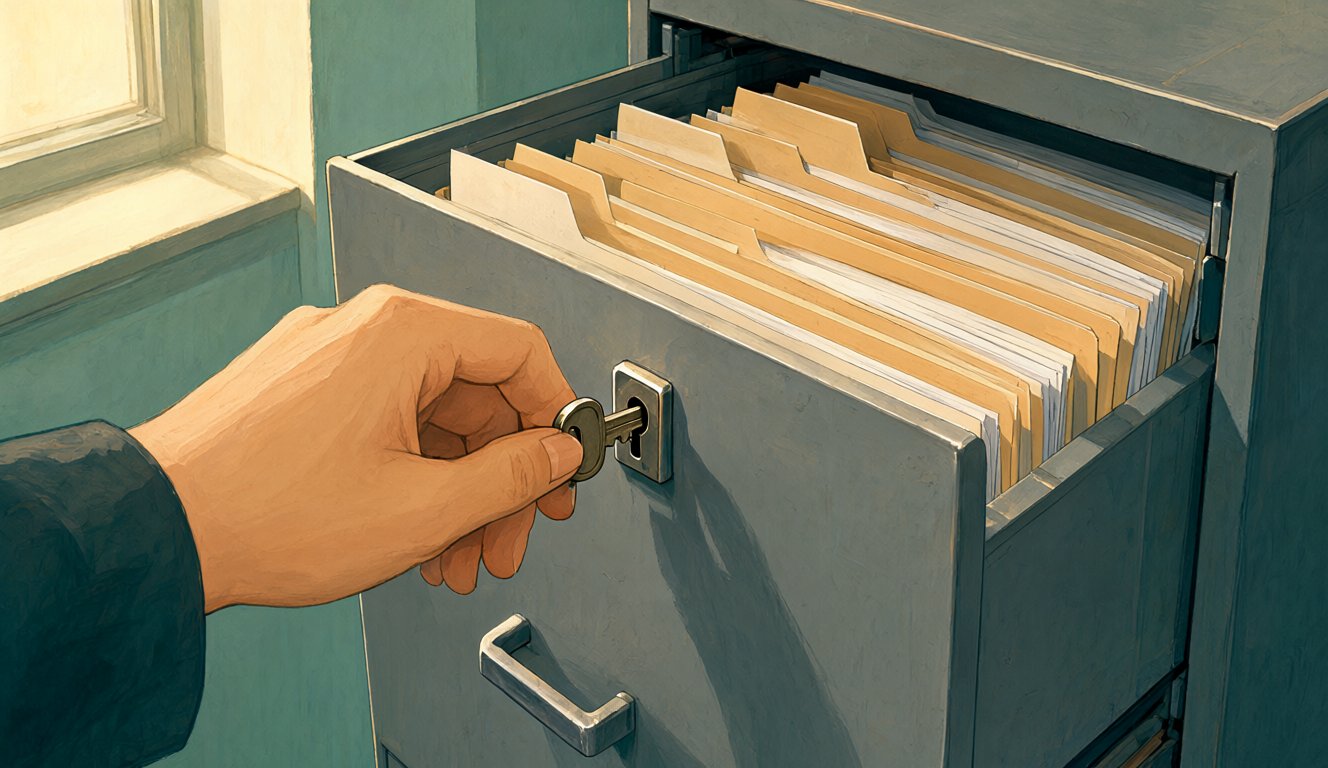
No. That was my first answer. If it's client data, you shouldn't put it into the AI to begin with. The problem starts there, before you even pick a model.
Then they said I should use an American AI, because that would be safe.
Think about what that means. If the AI isn't yours, it's a third party. Sending client data to a third party is something you have to cover in your contract and tell your clients about first. From a security point of view, I'd already call that not OK, whichever country the company is in.
What kind of AI work needs that many tokens?
Mostly public content. The use case in the video was heavy token use, which usually means things like drafting emails, making ads and writing social media posts. That's content you're going to publish anyway. There's nothing secret in it to leak, so you don't need heavy-duty security worries for it.
There is a real risk, but it's a different one. Some AI tools install software on your machine. You should ask how much access that software gets, and whether it runs in a sandbox where it can't touch the rest of your system. That's worth thinking hard about.
Whether the model provider itself is "safe" is a separate question again. Mixing all three together is where the argument went wrong.
What does Australian privacy law say about sending data overseas?
As I understood it, if personal information is involved, you can't just send it to another country. And even if the third party is here in Australia, your terms and conditions have to make it clear: the data goes to a third party, this is what's in it, and AI will analyse it. You have to tell people.
I checked this afterwards, and the law is a bit more detailed than "you can't". Under Australian Privacy Principle 8, a business can send personal information overseas, but first it has to take reasonable steps to make sure the overseas company follows the Australian privacy rules. If that company mishandles it, the Australian business is usually still responsible. APP 1 and APP 5 also say your privacy policy and notices should tell people whether their information is likely to go overseas, and to which countries.
The Office of the Australian Information Commissioner goes further for AI. Its guidance recommends that businesses don't enter personal information into publicly available generative AI tools at all. Most small businesses with turnover of $3 million or less are exempt from the Privacy Act, but there are exceptions, so check before you rely on that.
So the law is less absolute than I said in the podcast. But the regulator's advice ends up in the same place I did: keep client personal information out of public AI tools.
Why does "it feels safe" worry me?

Because it skips the rules. The people arguing with me kept coming back to the same idea: cheap AI is bad, it's unsafe, it will leak your secrets, so you should run AI locally. They grabbed onto one thing and kept going.
The way I think about it has a few layers. First, I assume that anything I upload is already exposed. Then I think about data boundaries: where the data is allowed to go, who manages that, and how I keep control of it. Only after that does the question of which provider to trust come up.
To me, the "this one feels safe" way of thinking is an outsider's way. Honestly, it's a bit scary. If someone feels a service is safe, they stop checking the law and the guidelines. The rule might say the data can't go to a third party, and they're still talking about how secure that third party is.
If the rules say the data can't go there, it doesn't matter how safe the place feels.
What should you check before using AI with work data?
Start with the rules, then talk about security. That's the habit you pick up working in IT, and it's the engineer's way of thinking I wanted to share.
In practice that means asking, in this order: is this data allowed to leave my hands at all? If yes, what do my contracts, privacy policy and the law say about where it can go? Only then: which tool, which provider, and what access does its software get on my machine?
For public work like emails, ads and posts, a cheap AI is fine and may well be cheaper than running your own. For client data, the cheapest AI and the most famous one are in the same position. Neither should see it unless the rules say so.
How does your workplace handle this? Do you have rules about what goes into AI tools, or does everyone just decide for themselves? I'd like to hear from you on the contact page.
More on local and cloud AI: How Xiaomi's MiMo V2.6 flipped the AI economics in Australia and AI photo search on an 8GB GPU, where I tag 7,600 of my own photos without sending them anywhere. For a break from screens, see the UQ Lakes jacarandas gallery.
Sources (checked 25 October 2026)
- OAIC: APP Guidelines Chapter 8, cross-border disclosure of personal information
- OAIC: new AI guidance for businesses using commercially available AI products
- OAIC: Australian Privacy Principles (including APP 1 and APP 5)
- OAIC: small business and the Privacy Act
This is a personal reflection, not legal advice. Check your own contracts and the official pages above. The images were made locally with Qwen Image 2.1, and AI helped me edit the English and check the facts.